
MEAL TRAIN IDEAS
Whether it’s a new baby, a loss, or an illness, dropping off a meal is one of the most tangible ways to show someone you care. The classics exist for a reason but some of the most appreciated deliveries are the ones nobody else thinks to bring. Here’s what actually works, from the reliable freezer staples to the often-overlooked ideas people remember for years.
The Classic Meals That Never Fail

These are the meals that earned their reputation. They’re forgiving to make in large quantities, hold up beautifully as leftovers, and are loved by nearly everyone.
- Lasagna or baked ziti. The gold standard of meal train food. Make a big batch in a disposable aluminum pan, add a loaf of garlic bread and a pan of brownies, and you’ve covered dinner completely. It reheats beautifully and can be frozen for later. Baked ziti is slightly easier to assemble while delivering the same comforting flavors.
- Shepherd’s pie. Make the mash and gravy from scratch, pour into disposable aluminum pans, and freeze. It bakes well from frozen and tastes even better on day two or three. Just toss the pan when done — no dish return required.
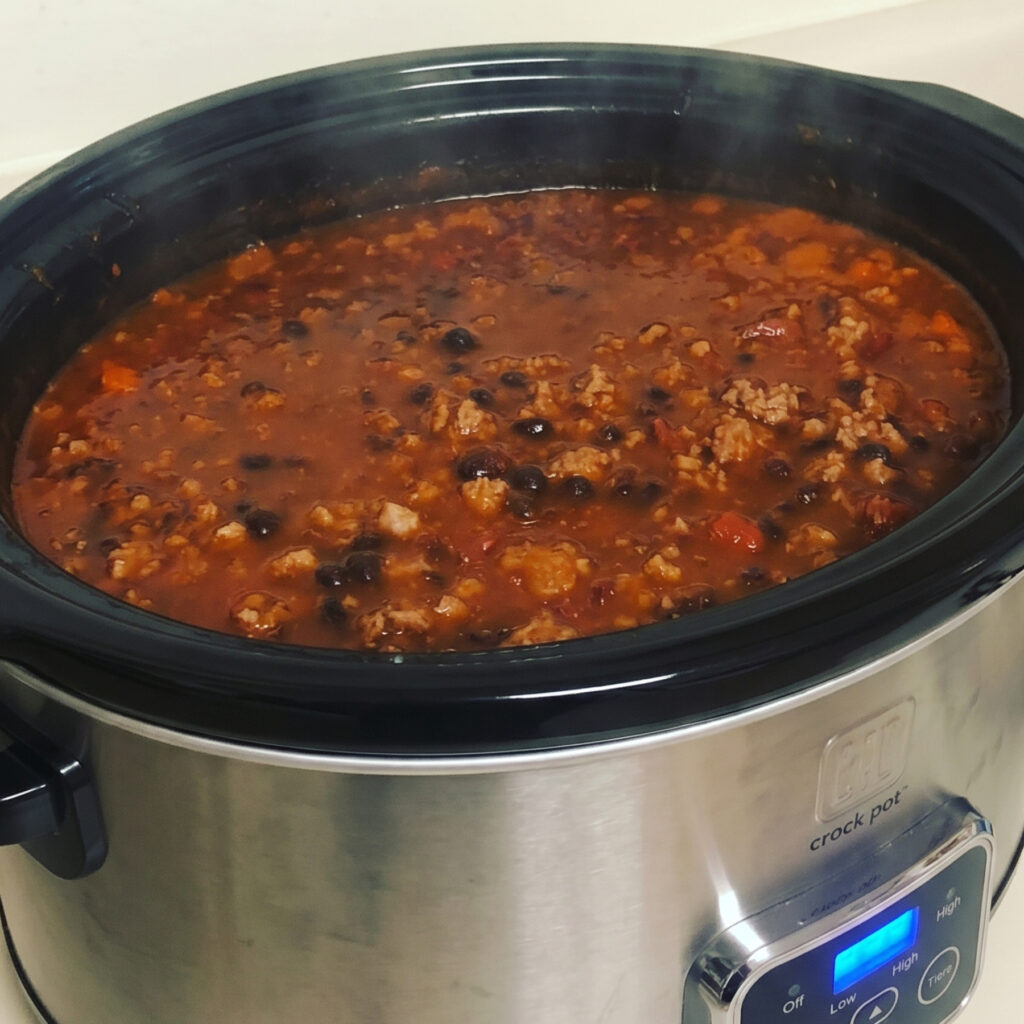
- Chili or soup. Chicken noodle soup or turkey chili travels well, feels nourishing, and can be eaten at any time of day. Portion it into individual containers so family members can grab what they need without having to reheat the whole batch.
- Burritos (frozen individually). Wrap each burrito in foil and freeze. They microwave in about five minutes and work as breakfast, lunch, or dinner. Rice, protein, beans, salsa, and cheese is a reliable combination. Make a few dozen at once — half for them, half for your freezer.
- Pulled pork. Freeze in one-pound bags and it becomes an endlessly versatile ingredient: sandwiches, breakfast burritos, baked potato topping, tacos. It’s inexpensive, forgiving to cook, and deeply satisfying. A pork shoulder in a slow cooker or Dutch oven is all it takes.
- Stuffed peppers or shells. Freeze well, reheat as individual portions, and feel substantial without being heavy. Easy to customize the filling based on what the family eats.
The Overlooked Favorites
After a week of casseroles and pasta, most families are quietly desperate for something fresh. These are the deliveries people tend to remember most and bring the least often.
Fresh fruit salad. After a week of heavy comfort food, fresh fruit is genuinely restorative. Chopping a good variety is labor-intensive and the ingredients aren’t cheap, which is exactly what makes it such a meaningful gift. New parents and families in grief rave about it.
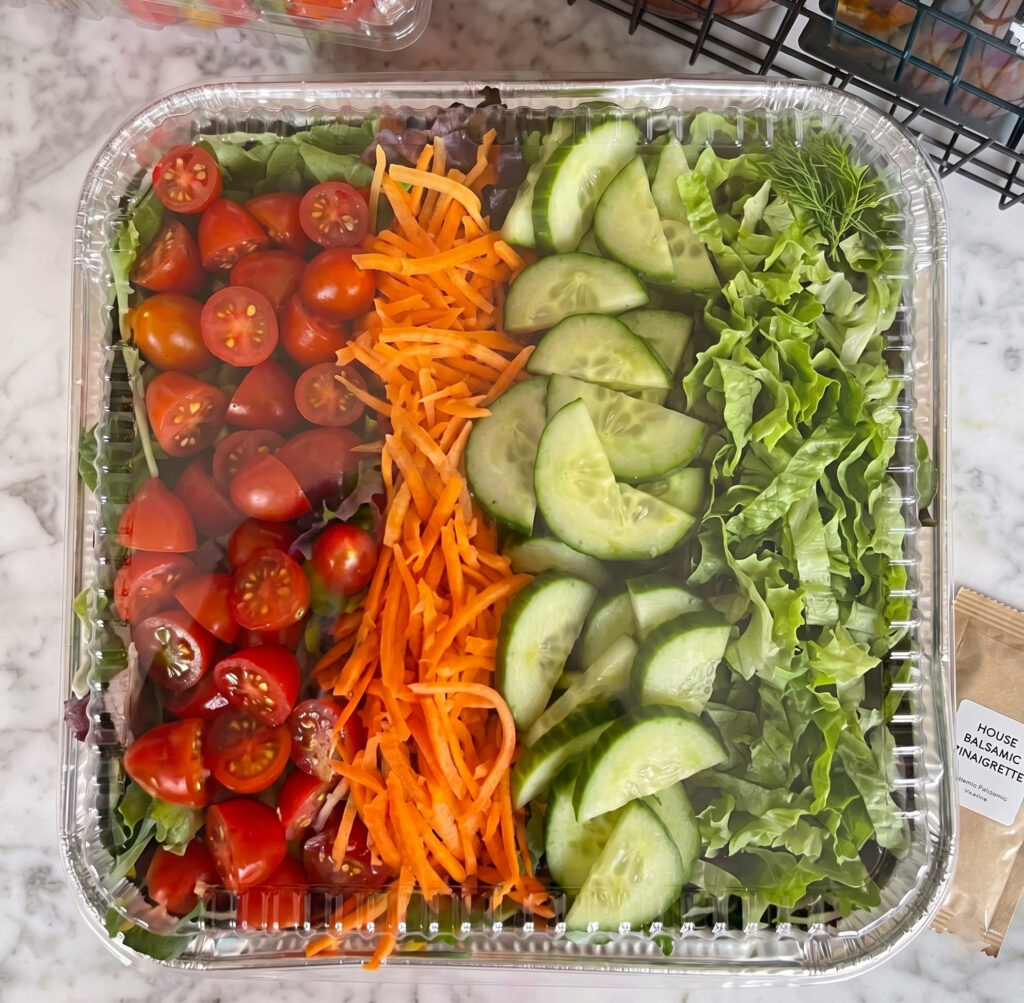
A homemade salad kit. Chop romaine, cucumber (scoop out the seeds so it lasts longer), red onion, shredded carrot, celery, and bell pepper. Add grape tomatoes and a jar of chickpeas marinated in Italian dressing for protein. Package separately so they can toss it when ready. It keeps for days.
A cold-cut platter. Deli meats – or if you’re trying to keep it clean – sliced chicken breast, sliced roast beef, a selection of sliced cheeses, a variety of breads (rye and pumpernickel hold up especially well), and little cups of mustard and condiments. Anyone in the house – visitors included can build their own sandwich at any time of day, with no prep, no reheating, and no dishes.
Breakfast burritos (frozen). Meal trains tend to focus on dinner, but breakfast is often the hardest meal when you’re exhausted or grieving. Frozen breakfast burritos can be heated with one hand at 6am. New parents in particular appreciate this more than most people expect.
What to Bring Besides Food?
Sometimes the most useful thing you can bring isn’t a meal at all. A few non-food contributions that people consistently say they appreciated most:
- Paper plates, cups, plastic utensils and napkins. When grief or exhaustion sets in, even unloading a dishwasher can feel like too much. A stack of paper plates removes one more thing to manage. This came up repeatedly in conversations about meal trains — it’s genuinely that helpful.
- A gift basket with essentials. Coffee, tea, a favorite soda, pet treats, a gas card, or DoorDash or InstaCart gift card. The volume of food that arrives can quickly overwhelm a fridge, this fills a different need and can be used on their own timeline.
- Portioned cookie dough (frozen). Freeze individual dough balls so they can bake fresh cookies whenever they need a small moment of comfort. A quiet, thoughtful touch that costs almost nothing extra if you’re already baking.
A Few More Essential Tips
Always include a full ingredient list. Food allergies are common, and people in crisis shouldn’t have to guess what’s in their food or go hungry because they can’t be sure. Write it on a card, tape it to the dish, or text it ahead.
Ask what they actually want. The best meal is the one the recipient would genuinely like to eat. If they say the only thing they can put in their face right now is strawberry lemonade, make the lemonade. People remember that kind of attention.
Use disposable containers whenever possible. Nobody going through a hard time should have to track down and return your casserole dish. Foil pans, takeout containers, and zip-lock bags are your friends.
Think about what they’ll need at 7am, not just 7pm. Fresh fruit, breakfast burritos, muffins, and easy grab-and-go items fill a gap that most casseroles can’t. Especially for new parents, the mornings are often the hardest stretch.
The goal of a meal train meal is simple: one less thing for someone to worry about. Whatever you bring, the act of showing up matters most.