
If your For You Page has been flooded with people enthusiastically eating beans straight from the can, you’re not alone. Welcome to BeanTok, TikTok’s latest viral wellness craze that has thousands of Gen Z creators swearing by “the bean protocol”, which is eating two cups of beans a day for better digestion, glowing skin, and even improved mood. Yes, really.
What started as a niche community of bean enthusiasts has exploded into a full-blown movement, with hashtags like #BeanTok and #BeanProtocol racking up millions of views. Unlike most wellness trends that require expensive supplements or hard-to-find ingredients, this one costs about $2 and lives in your pantry. But does it actually work, or is this just another TikTok rabbit hole?
What Exactly Is the Bean Protocol?
The concept is deceptively simple: eat approximately two cups of beans per day, any variety from black beans and chickpeas to lentils and kidney beans. Creators claim this magical amount will transform your gut health, reduce bloating (yes, you read that right), clear your skin, balance your hormones, and even help with anxiety and mood regulation.
TikToker Scott Koya, a self-proclaimed “beans addict” whose entire account is dedicated to legumes, has become one of the trend’s biggest advocates. She credits her daily bean intake with keeping her digestion regular, reducing inflammation, and taking the edge off her mood. The appeal? Beans are cheap, accessible, and packed with nutrients most of us don’t get enough of.
What the Experts Actually Say
Here’s where it gets interesting: experts largely agree that beans are nutritional powerhouses, but they have some concerns about how the trend is being presented.
Dr. Will Bulsiewicz, a gastroenterologist and medical director at ZOE, told media outlets that beans are rich in prebiotic fiber that’s good for the gut and produce anti-inflammatory short-chain fatty acids, while amino acids such as tryptophan provide building blocks for neurotransmitters like serotonin, which could explain the mood boost people report. He added that beans contain fiber and resistant starch, which help with blood sugar regulation and the production of GLP-1 to make you feel full.
But jumping straight to two cups a day? That’s where nutritionists pump the brakes. Two cups of beans would be around 25 grams of fiber, which is a huge increase all at once and could lead to digestive symptoms, warns IBS dietitian Kirsten Jackson. Her advice? Start slow with smaller portions and gradually work your way up.
The mood and anxiety claims are less clear-cut. While registered dietitian Vandana Sheth acknowledges that fiber and prebiotics can promote a healthy gut microbiome, which may then indirectly have a positive impact on mood, she’s careful to note there’s no strong evidence that beans directly help with anxiety or mood regulation.
The Budget-Friendly Appeal
In an era of rising grocery costs and $18 smoothies, BeanTok’s appeal makes perfect sense. Canned beans cost under $2 per can, dried beans are even cheaper, and they’re shelf-stable for months. For people trying to eat healthier without breaking the bank, beans deliver restaurant-quality nutrition for the price of a coffee.
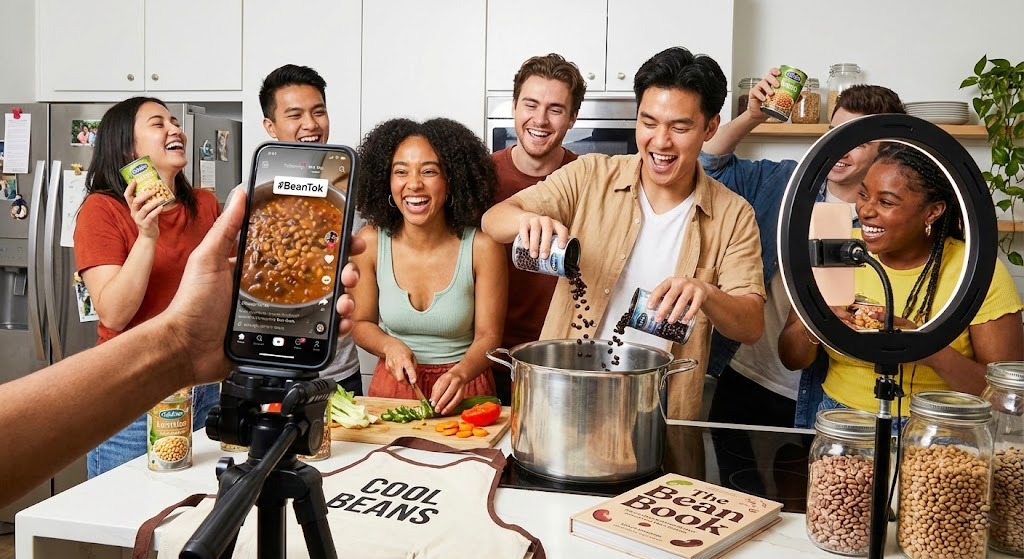
TikTokers have gotten creative with their bean consumption too. Beyond the obvious salads and chili, creators are blending beans into pasta sauce for creaminess, mashing chickpeas onto toast as a protein spread, and even sneaking them into smoothies and brownies. One viral video showed a creator transforming leftover beans and pasta sauce into a surprisingly delicious chicken parm dinner.
The Reality Check
While BeanTok taps into legitimate nutrition goals, more fiber, more plant protein, better gut health, experts worry about a few things. The trend sometimes links bean consumption to being “hot” or attractive, which can fuel unhealthy associations between food and body image. It also oversimplifies nutrition by suggesting one food is a magic bullet.
Health professionals emphasize that beans are fantastic as part of a varied diet, but they shouldn’t be your only focus. The NHS notes that while beans count toward your protein intake and one of your five-a-day, they only count as one portion no matter how many you eat. Variety matters.
There’s also the practical concern: not everyone should jump on this trend. People with IBS, those on low-fiber diets, or anyone with specific digestive conditions should talk to their doctor first. And yes, the gas jokes in the comments are real – beans can cause bloating and digestive discomfort, especially if your system isn’t used to high-fiber foods.

The Verdict: Hype or Healthy?
BeanTok is actually one of the more sensible viral food trends to emerge from TikTok. Unlike detox teas or restrictive elimination diets, eating more beans is something nutritionists genuinely support, with some important caveats.
If you want to try it, experts recommend easing in gradually. Start with half a cup a day and see how your body responds. Cook dried beans thoroughly or rinse canned beans well to reduce the compounds that cause gas. Drink plenty of water to help the fiber do its job. And please, PLEAE, season those beans, watching people eat unseasoned beans from a can is where I draw the line.
The bottom line? America would probably be healthier if we all ate more beans. They’re inexpensive, versatile, environmentally sustainable, and genuinely nutritious. Just maybe don’t make them your entire personality… unless you’re ready to fully commit to the bean life like Scott Koya.
Welcome to BeanTok. The gas jokes write themselves, but the health benefits are no laughing matter.
Get a pack of 8 black beans for less than a dollar each! Black Beans free shipping with Amazon Prime.